
 中文
中文What is the biggest advantage of a silicone foley catheter compared to a standard latex foley catheter?
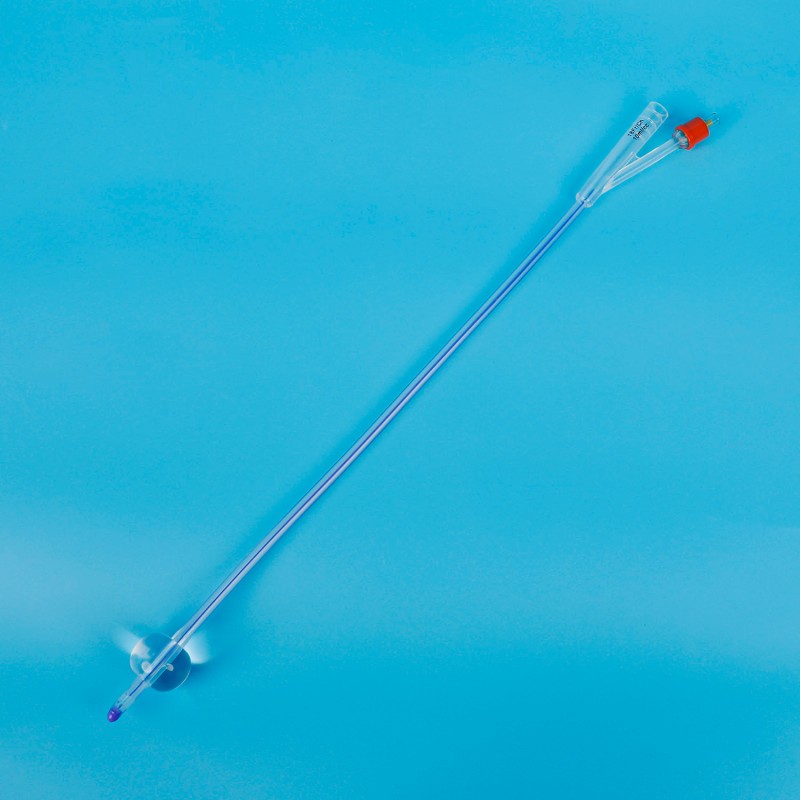
Taking the silicone foley catheter manufactured by Haiyan Kangyuan Medical as an example, its greatest advantage is excellent biocompatibility. The silicone material is less likely to cause tissue irritation or allergic reactions, making it particularly suitable for medium- to long-term indwelling (up to 29 days). In contrast, latex foley catheters often cause urethral mucosal irritation, encrustation, or allergies, especially in patients with latex sensitivity. They also have a shorter indwelling time.
How does the Kangyuan silicone foley catheter perform in terms of encrustation resistance and infection prevention?
Significantly better than latex foley catheters. The Kangyuan medical silicone foley catheter has strong encrustation resistance – its low surface friction coefficient makes it difficult for urinary salts to adhere, effectively delaying encrustation and reducing difficult removal. It also lowers the risk of catheter-associated urinary tract infections (CAUTI).
Is the silicone foley catheter suitable for long-term indwelling? What is the recommended indwelling duration?
Yes, the Kangyuan medical silicone foley catheter is suitable for long-term indwelling. According to its instructions for use, the maximum indwelling time is 29 days.
What are the clinical advantages of the large-balloon silicone foley catheter design?
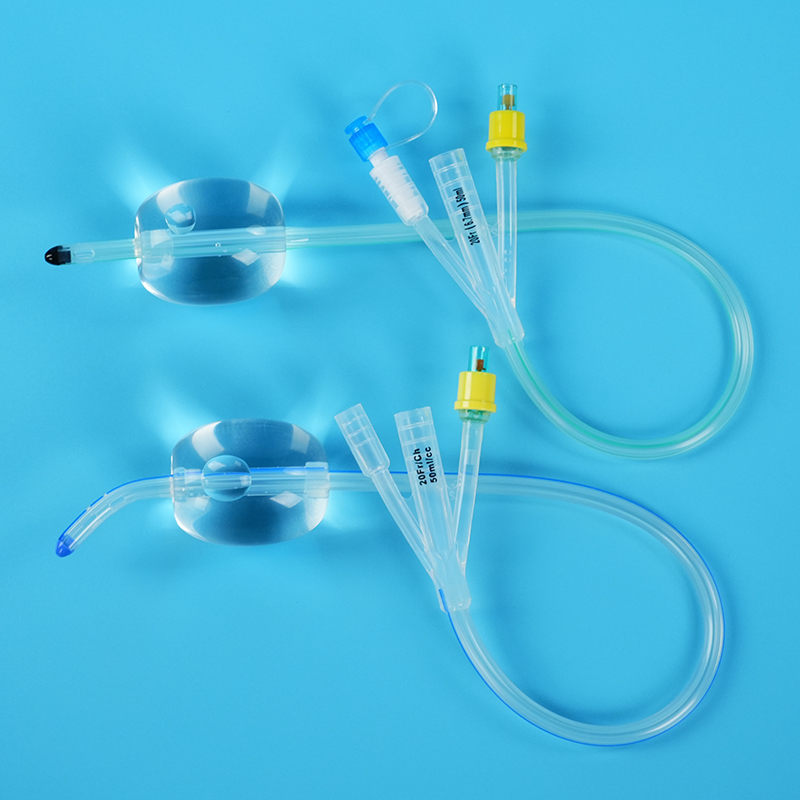
The Kangyuan medical silicone catheter offers efficient drainage and is not prone to blockage. Its balloon symmetry is excellent – the balloon is made of 100% medical-grade silicone, inflates evenly and symmetrically, and conforms better to the bladder’s mechanics, reducing leakage and bladder spasms. The large-balloon catheter also provides better compression for haemostasis.
What cost-effectiveness advantages does Kangyuan have compared to imported silicone foley catheters?
Kangyuan medical silicone foley catheters maintain a quality level comparable to imported brands while being more competitively priced. They also use medical-grade silicone, and their tensile strength, tear resistance, and biosafety comply with ISO 13485 and EU CE standards. Clinically, they can replace certain imported products for indwelling catheterisation, significantly reducing medical consumable costs – particularly suitable for large-scale use under healthcare cost control policies.
Is the silicone foley catheter suitable for sensitive patient groups (e.g., urethral trauma, post prostate surgery)?
Yes, very suitable. Silicone has moderate hardness, good elasticity, and a smooth surface, which significantly reduces friction injury during insertion. Moreover, the pure silicone material offers better biocompatibility, fewer allergies, and reduced risk of complications.
Does the silicone foley catheter support body temperature monitoring?
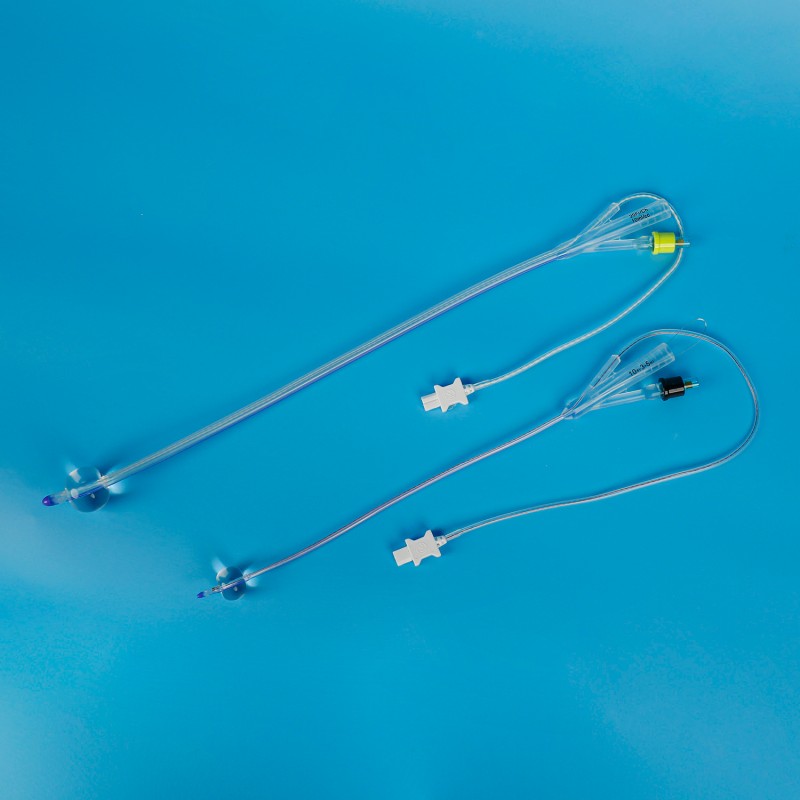
Yes. Haiyan Kangyuan Medical offers a temperature sensing silicone foley catheter with a built-in sensor tip that allows real time patient temperature monitoring. It is available in various sizes from paediatric to adult.
Are there any clinical limitations or disadvantages of the silicone foley catheter?
There are a few minor disadvantages: the cost is slightly higher than that of latex foley catheters. However, for patients requiring long term indwelling or those at high risk of infection, the overall cost (including reduced infections, fewer changes, and less nursing time) is actually lower. Silicone foley catheters can be used for medium to long term indwelling (up to 29 days). Overall, the clinical advantages far outweigh the limitations.
Post time: Mar-02-2026